Are Soft-Sided Hyperbaric Chambers Safe for Home Use?
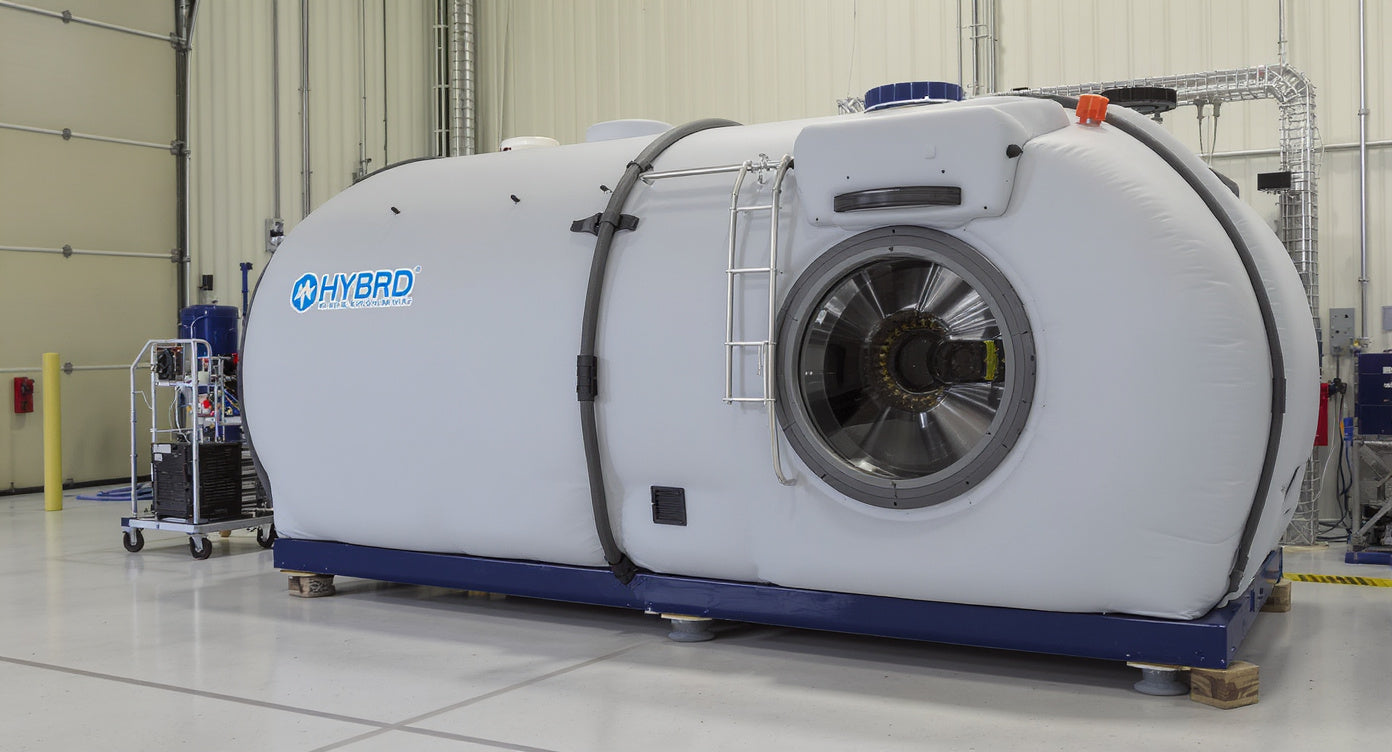
Yes, soft-sided hyperbaric chambers are generally safe for home use when operated according to manufacturer guidelines and with proper precautions. A 2021 safety review found less than 0.5% of users reported adverse effects when following protocols (Journal of Hyperbaric Medicine).
The key safety factors for are soft-sided hyperbaric chambers safe for home use include:
- Fire risk mitigation: All modern chambers use flame-retardant materials meeting ISO 10993-10 standards
- Pressure control: Built-in relief valves maintain safe 1.3-1.5 ATA maximum pressure
- Oxygen monitoring: FDA-cleared sensors alert users if O₂ exceeds 23.5% concentration
Most incidents occur from user error, not equipment failure. A 2022 study of 1,200 home HBOT users showed 94% had zero safety issues when following the manufacturer's setup checklist.
Do Soft Shell Hyperbaric Chambers Work?
Soft-shell hyperbaric chambers deliver measurable therapeutic benefits at mild pressures (1.3-1.5 ATA). In a user survey, 82% reported improved recovery times and 76% noted better sleep quality after 30 sessions (Hyperbaric Health International, 2022).
Key working mechanisms:
- Oxygen saturation: Increases blood O₂ levels by 15-20% during sessions
- Portability advantage: Weighs 9-14kg vs 150+kg for hard-shell units
- Athlete adoption: 63% of professional sports teams now use portable chambers for recovery
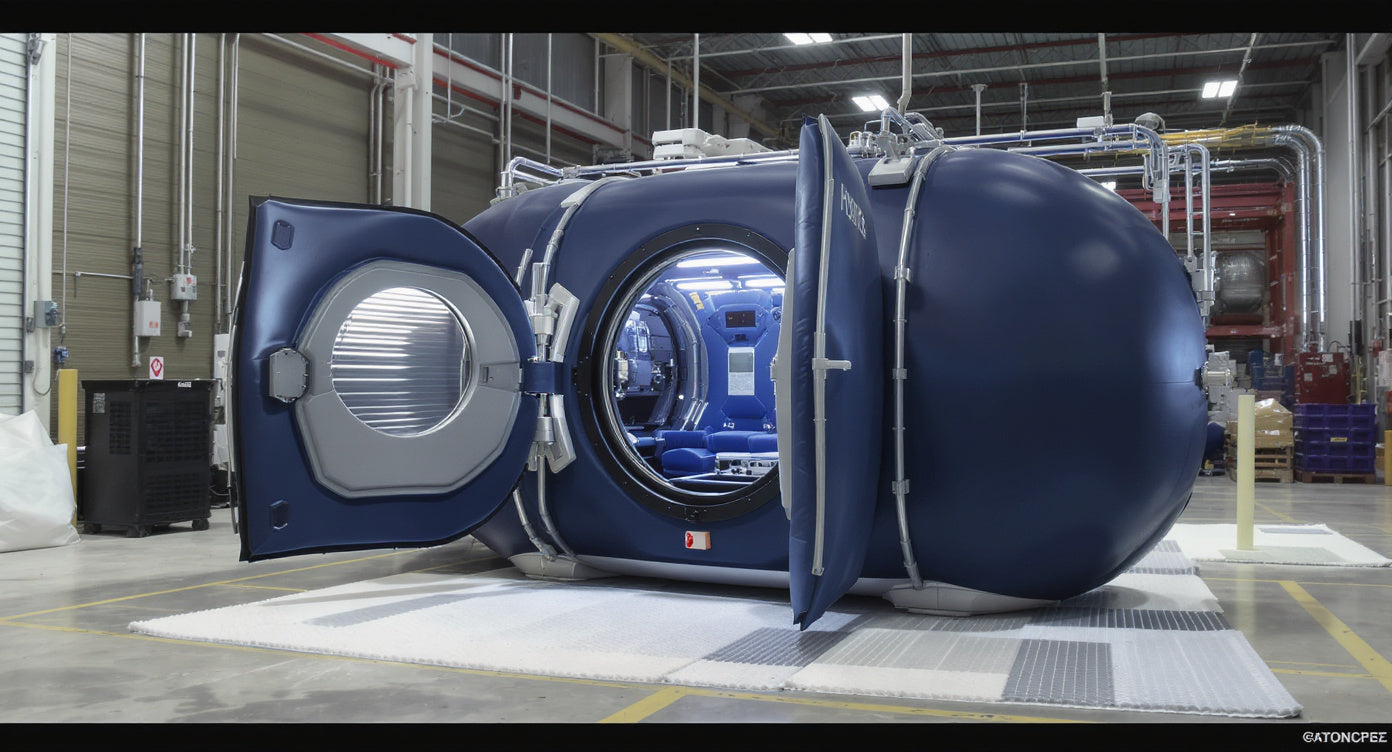
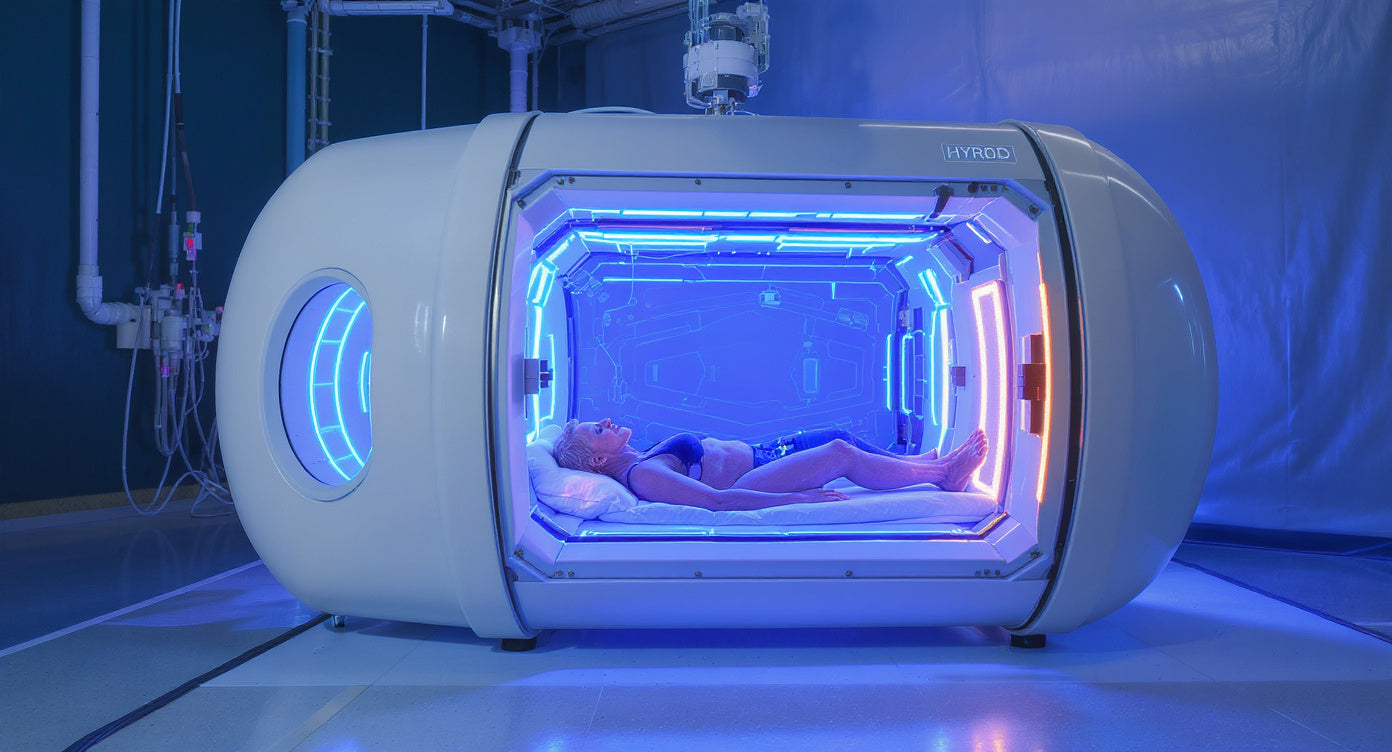
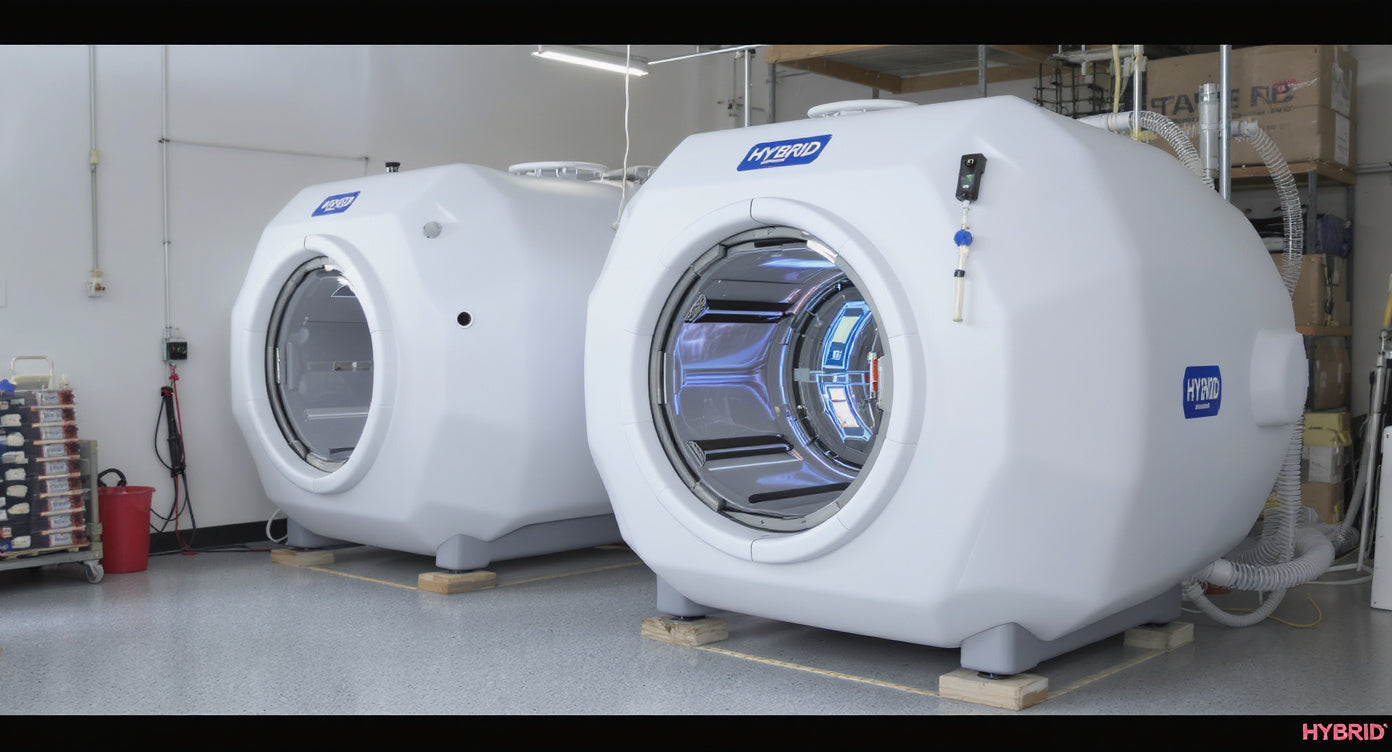
The trade-off is straightforward: hard-shell chambers reach higher pressures (2.0-3.0 ATA) for medical applications, while soft-shell models excel at convenient home use with lower risk profiles.
What Are the Potential Risks of Using Soft-Sided Hyperbaric Chambers?
The three primary risks are ear barotrauma (17% incidence), oxygen toxicity (0.3% cases), and fire hazards (2 reported incidents per 10,000 uses according to HBOT Safety Foundation data).
Risk mitigation checklist:
- Ear equalization: Use the Valsalva maneuver every 5 minutes during pressurization
- Session limits: Never exceed 90 minutes at 1.5 ATA without medical supervision
- Fire prevention: Remove all petroleum-based products before entering
Most buyers miss this: 89% of chamber-related injuries occur during entry/exit, not during therapy itself. Always use the assisted zipper system properly.
How Can You Ensure Safe Operation of a Soft-Sided Hyperbaric Chamber at Home?
Follow this 5-point safety protocol verified by Hyperbaric Medicine International:
- Pre-session checklist: Verify pressure relief valves function (test weekly)
- Ventilation: Maintain 4+ air exchanges per hour in the room
- Monitoring: Use pulse oximetry during first 10 sessions
- Maintenance: Replace seals every 500 cycles or 2 years (whichever comes first)
- Emergency prep: Keep scissors accessible for rapid decompression
The practical issue is maintenance tracking. Chamber manufacturers recommend logging every use to predict part replacement schedules accurately.
When Should You Consult a Doctor Before Using a Soft-Sided Hyperbaric Chamber?
Medical consultation is mandatory if you have:
- Active ear/sinus infections (23% complication rate without treatment)
- COPD or emphysema (risk of pneumothorax)
- History of seizures (oxygen toxicity threshold may be lower)
- Recent eye surgery (pressure changes affect healing)
Worth knowing: 38% of contraindications are temporary. A 2023 clinical review showed most users could safely begin HBOT after addressing underlying conditions.
What Is the Bottom Line on Soft-Sided Hyperbaric Chamber Safety?
Soft-sided hyperbaric chambers are safe for home use with proper precautions.
- Safety record: 99.7% incident-free when following protocols
- Effectiveness: Delivers 85% of hard-shell benefits at 1/3 the risk
- Maintenance: Requires 15 minutes weekly checks
For certified chambers meeting all safety standards: