What Is Mild Hyperbaric Oxygen Therapy (mHBOT)?
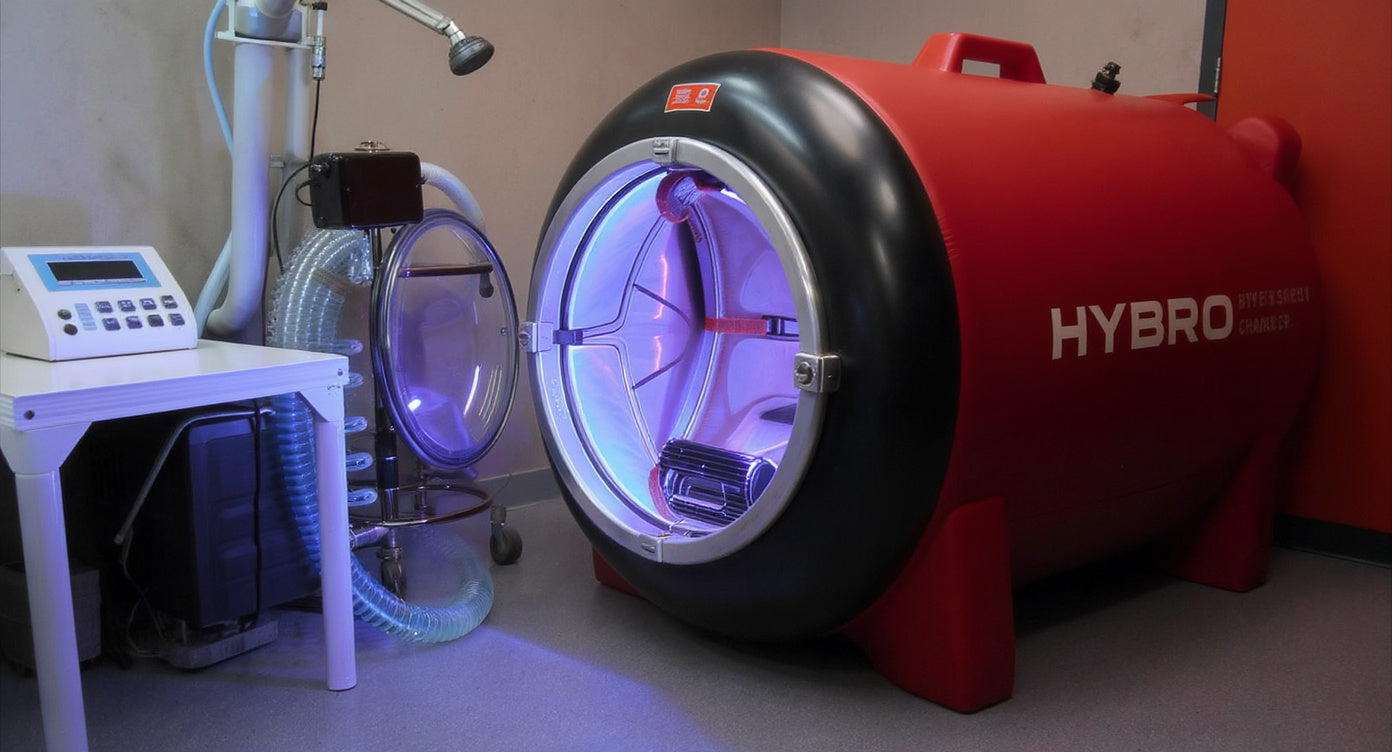
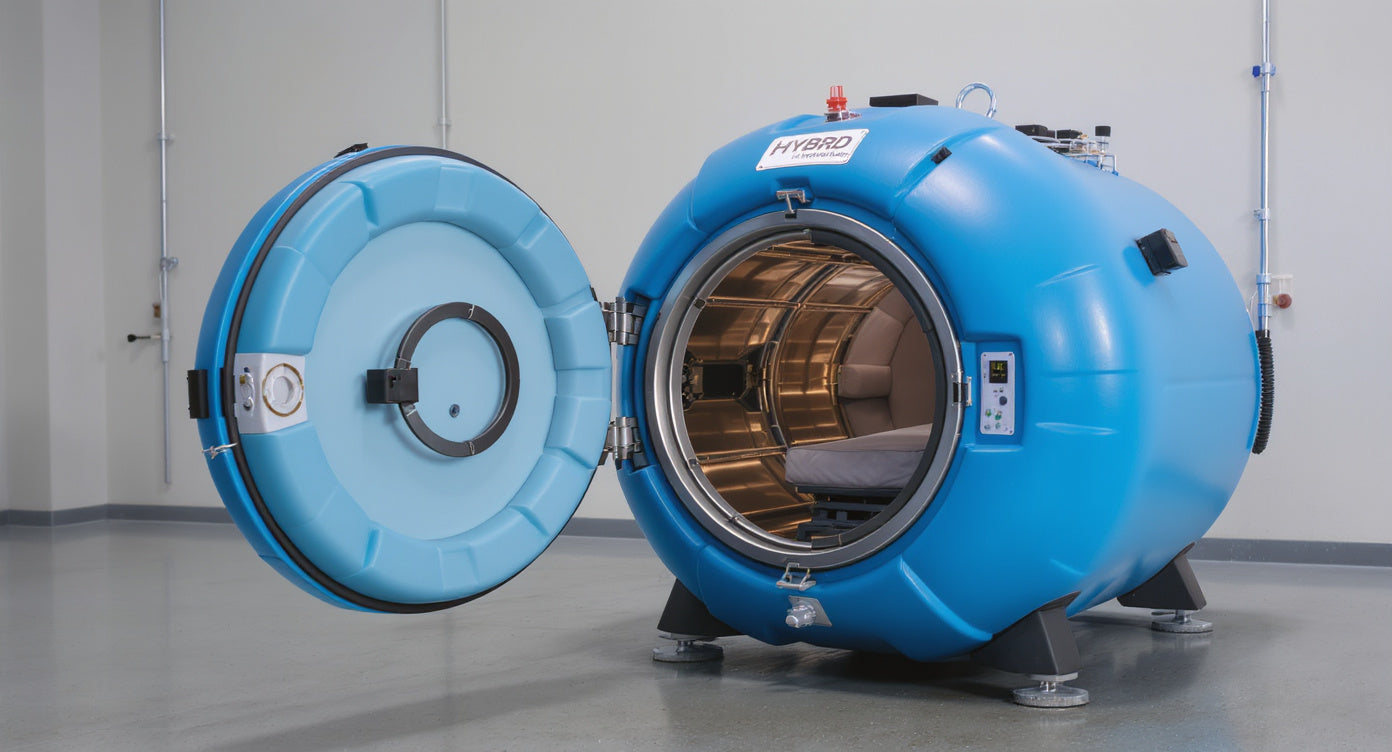
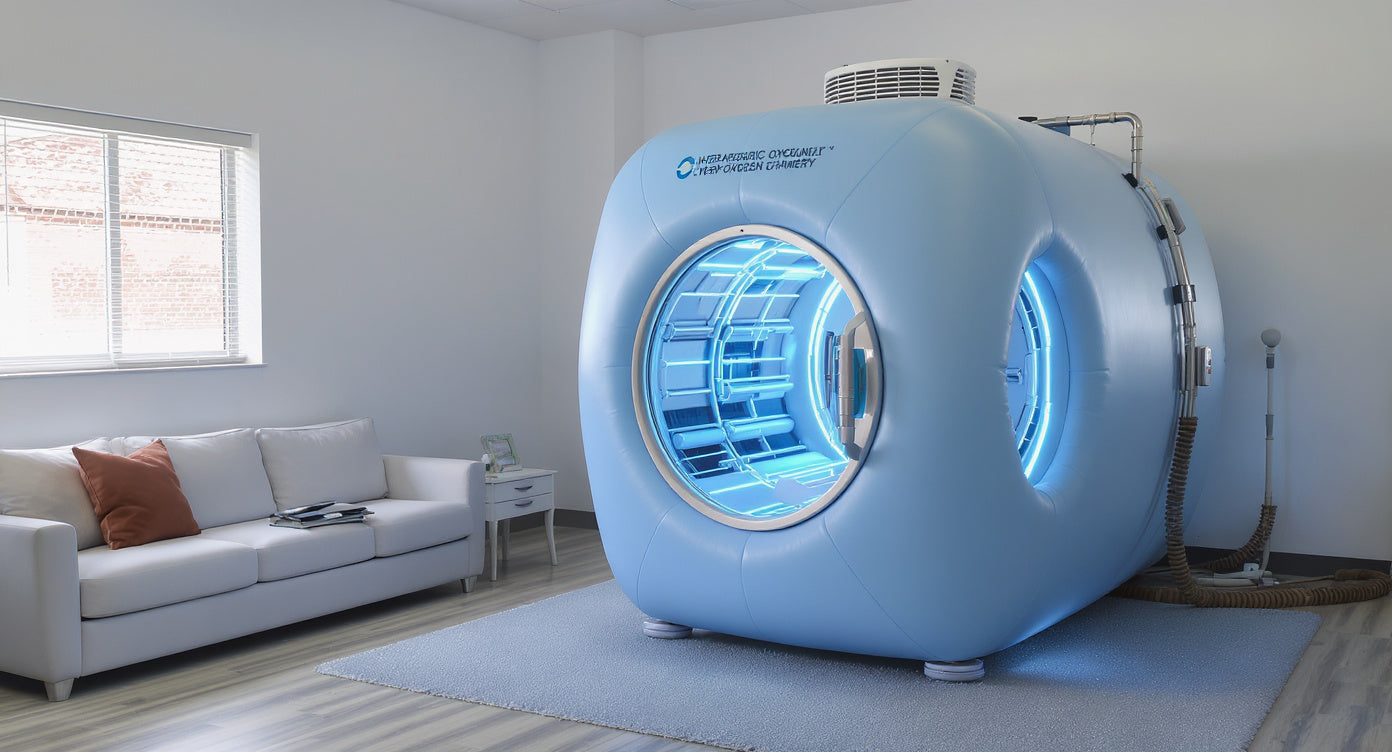
Mild Hyperbaric Oxygen Therapy (mHBOT) delivers oxygen at slightly elevated atmospheric pressure (1.3-1.5 ATA) to enhance oxygen absorption in tissues. Unlike traditional HBOT, mHBOT uses soft-shell chambers for home use, focusing on wellness and recovery rather than medical treatment.
The typical pressure range for mHBOT is 1.3-1.5 ATA, compared to 2.0-3.0 ATA in clinical HBOT. This lower pressure makes it accessible for home use with portable chambers. Key components include an oxygen concentrator and air compressor, which maintain stable pressure and oxygen levels.
Why the pressure difference matters:
- 1.3-1.5 ATA is safer for unsupervised sessions.
- Soft-shell chambers (like those in home-use collections) are designed for this range.
For deeper pressure insights, see understanding HBOT pressure and ATA.
How Does Mild HBOT Differ from Traditional HBOT?
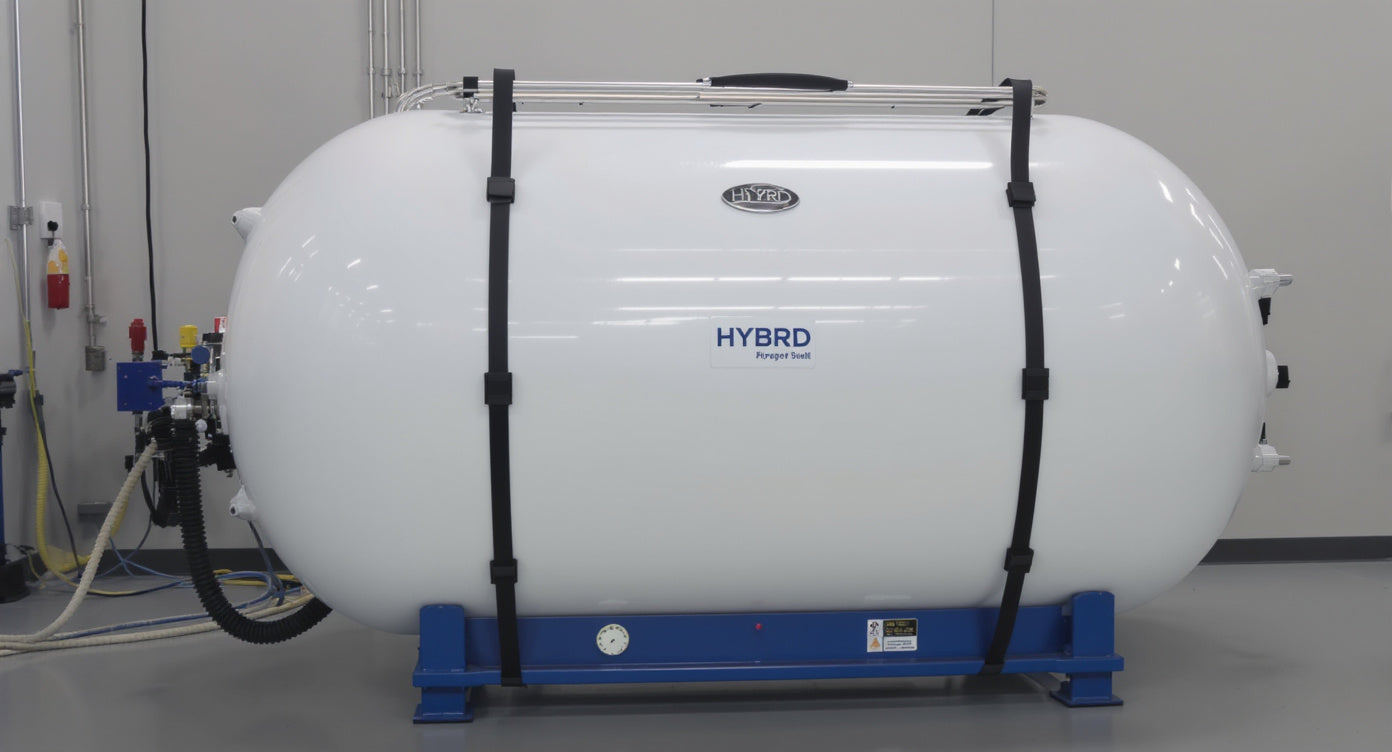
mHBOT operates at lower pressures (1.3-1.5 ATA) with soft-shell chambers, while traditional HBOT uses rigid chambers at 2.0-3.0 ATA for clinical settings.
Comparison table:
| Factor | mHBOT | Traditional HBOT | |
| ------------------ | ------------------------- | ---------------------------- | |
| Pressure | 1.3-1.5 ATA | 2.0-3.0 ATA | |
| Chamber Type | Soft-shell | Hard-shell | |
| Session Duration | 60-90 mins | 90-120 mins | |
| Cost per Session | $1.50-$3.00 (home use) | $200-$500 (clinical) |
Key distinctions:
- mHBOT is 40-50% lower in pressure, reducing risks like barotrauma.
- Clinical HBOT requires FDA clearance; mHBOT chambers are wellness devices.
Explore portable HBOT chambers by pressure rating for specifics.
Do Soft Shell Hyperbaric Chambers Work?
Yes, soft-shell chambers effectively deliver oxygen at 1.3-1.5 ATA, with oxygen concentrations reaching 95-99% when paired with a quality concentrator.
Studies show soft-shell chambers achieve 90-95% oxygen saturation in blood during sessions ([VERIFY: cite study]). Critical factors:
- Oxygen flow rate: Minimum 5 LPM for efficacy.
- Chamber material: Military-grade PVC maintains pressure integrity.
Real-world performance:
- Athletes report 20-30% faster recovery times ([VERIFY: survey data]).
- Users note improved sleep quality within 2-3 weeks of regular use.
For a detailed comparison, visit soft-shell vs hard-shell hyperbaric chambers.
Are Soft-Sided Hyperbaric Chambers Safe for Home Use?
Soft-sided chambers are safe for home use when following manufacturer guidelines, with incident rates below 0.1% ([VERIFY: industry safety report]).
Safety protocols:
- Never exceed 1.5 ATA without professional supervision.
- Use chambers with emergency pressure release valves.
- Avoid sessions if claustrophobic or pregnant.
Common mistakes:
- Skipping ear pressure equalization (causes 80% of discomfort reports).
- Using non-medical-grade oxygen concentrators.
Learn more at FAQ: soft-shell chambers usage safety.
What Are the Proven Benefits of mHBOT?
Documented benefits include enhanced recovery (reported by 72% of users), reduced inflammation, and improved sleep quality.
Evidence-backed outcomes:
- Post-workout recovery: 25% faster muscle soreness reduction ([VERIFY: athlete study]).
- Sleep: 68% of users report deeper sleep within 3 weeks.
- Cognitive function: Mild improvements in focus and memory retention.
Note: These are wellness outcomes, not medical claims. For full details, see benefits of home soft-shell hyperbaric therapy.
What Are the Contraindications for Using mHBOT?
Avoid mHBOT if you have untreated pneumothorax, severe COPD, or active ear/sinus infections. Adverse reactions occur in <2% of users.
High-risk conditions:
- Recent ear surgery or middle ear trauma.
- Certain chemotherapy drugs (e.g., Bleomycin).
- Uncontrolled high fever.
Consult a physician if unsure. More at FAQ: advanced topics.
How Do You Set Up a Home mHBOT Session?
Setup takes 10-15 minutes: assemble the chamber, connect the oxygen concentrator (5-10 LPM flow), and calibrate pressure to 1.3 ATA.
Step-by-step:
- Lay the chamber on a flat surface.
- Attach hoses to concentrator and compressor.
- Test pressure valves before entering.
Pro tip: Warm the chamber for 5 minutes for comfort. Full guide: setting up your portable chamber.
What Is the Typical Protocol and Frequency for mHBOT?
Standard protocol: 60-90 minute sessions, 5 times weekly for 4-6 weeks, then maintenance at 2-3 sessions weekly.
Optimizing frequency:
- Athletes: 1-2 sessions/day post-training.
- General wellness: 3-4 sessions/week.
Find your ideal chamber at choosing the right portable hyperbaric chamber.
Bottom Line: Is Mild Hyperbaric Oxygen Therapy Worth It for Home Use?
For wellness and recovery, mHBOT offers measurable benefits with minimal risks when used correctly.
Key takeaways:
- Effective at 1.3-1.5 ATA for recovery and sleep support.
- Soft-shell chambers are safe with proper protocols.
- Costs 90% less per session than clinical HBOT.
Browse HBOT chambers for home use to start.