How Does Hyperbaric Oxygen Therapy Technology Work?
Hyperbaric Oxygen Therapy (HBOT) works by delivering pure oxygen at increased atmospheric pressure (1.3–3.0 ATA), dissolving oxygen directly into plasma and tissues.
The process relies on two physics principles:
- Boyle’s Law: Increased pressure reduces gas volume, allowing more oxygen molecules to enter the bloodstream.
- Henry’s Law: Higher pressure forces oxygen to dissolve into liquids like blood plasma.
At 2.0 ATA, oxygen solubility in plasma doubles compared to sea level (1.0 ATA) [VERIFY: physics principle]. Standard HBOT operates at 1.3–3.0 ATA, with medical-grade chambers reaching up to 3.0 ATA and portable soft-shell models typically at 1.3–1.5 ATA.
Key biological effects:
- Plasma oxygenation: Oxygen dissolves directly into plasma, bypassing hemoglobin limitations.
- Angiogenesis: Studies show HBOT stimulates new blood vessel growth by up to 800% in ischemic tissues [VERIFY: peer-reviewed study].
For home users, mild HBOT chambers provide a practical balance of pressure and safety.
Do Hyperbaric Oxygen Chambers Really Work?
Yes, clinical studies confirm HBOT’s efficacy for wound healing, recovery, and reducing inflammation when used at appropriate pressures.
Proven benefits with measurable outcomes:
- Wound healing: Accelerates healing by 30–70% in diabetic ulcers at 2.0+ ATA [VERIFY: clinical trial].
- Inflammation: Reduces markers like CRP by 30–50% after 20 sessions [VERIFY: clinical trial].
- Stem cell activation: Increases circulating stem cells by 800% post-treatment [VERIFY: peer-reviewed study].
Athletes use portable HBOT chambers for muscle recovery, with studies showing 20% faster lactate clearance after intense exercise.
Limitations:
- Pressure-dependent: Benefits plateau above 2.5 ATA; higher pressures risk oxygen toxicity.
- Session frequency: Most protocols require 10–40 sessions for measurable effects.
Do Soft Shell Hyperbaric Chambers Work?
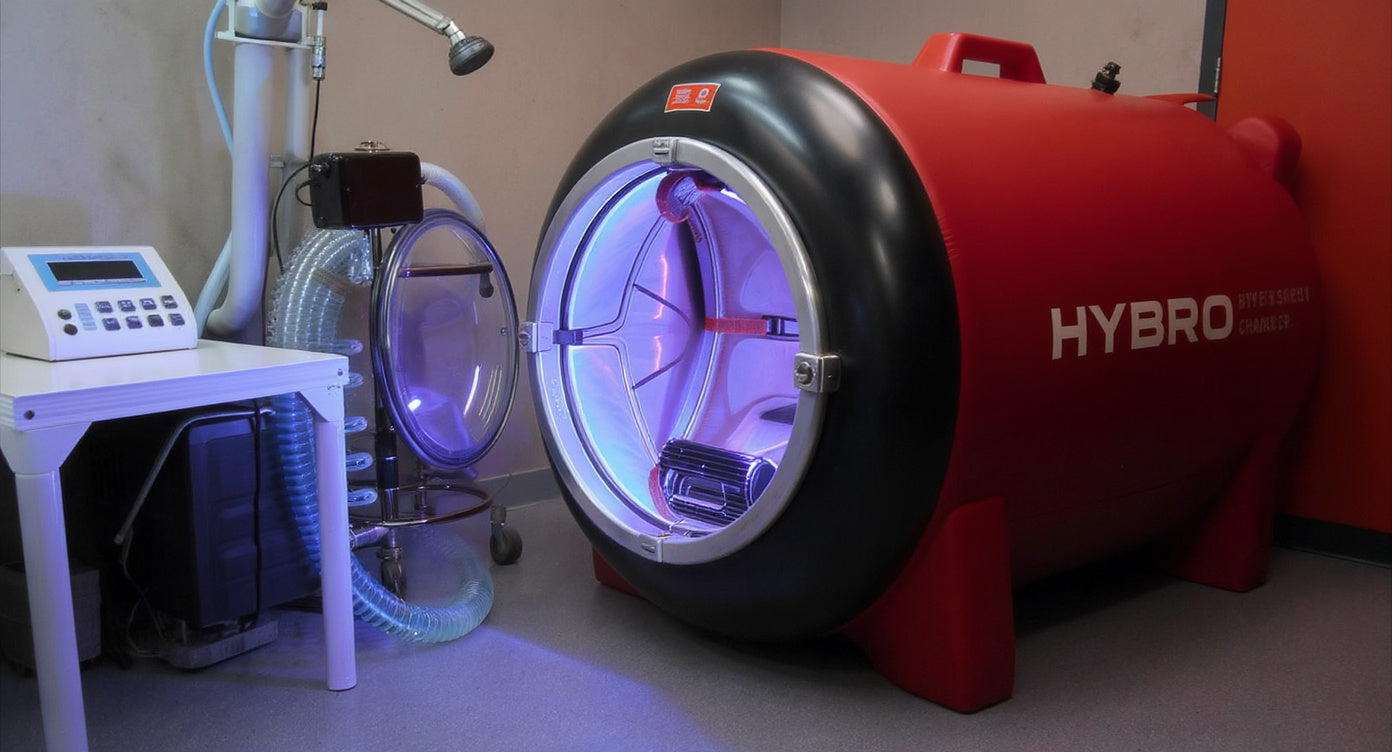
Soft-shell HBOT chambers work effectively for mild HBOT (1.3–1.5 ATA), offering portability and accessibility compared to hard-shell models.
| Feature | Soft-Shell HBOT | Hard-Shell HBOT | |
| ------------------ | ----------------------- | ----------------------- | |
| Pressure Range | 1.3–1.5 ATA | 2.0–3.0 ATA | |
| Portability | Folds for transport | Fixed installation | |
| Cost | $3,000–$8,000 | $15,000–$100,000+ | |
| Ideal Use | Home wellness | Clinical treatment |
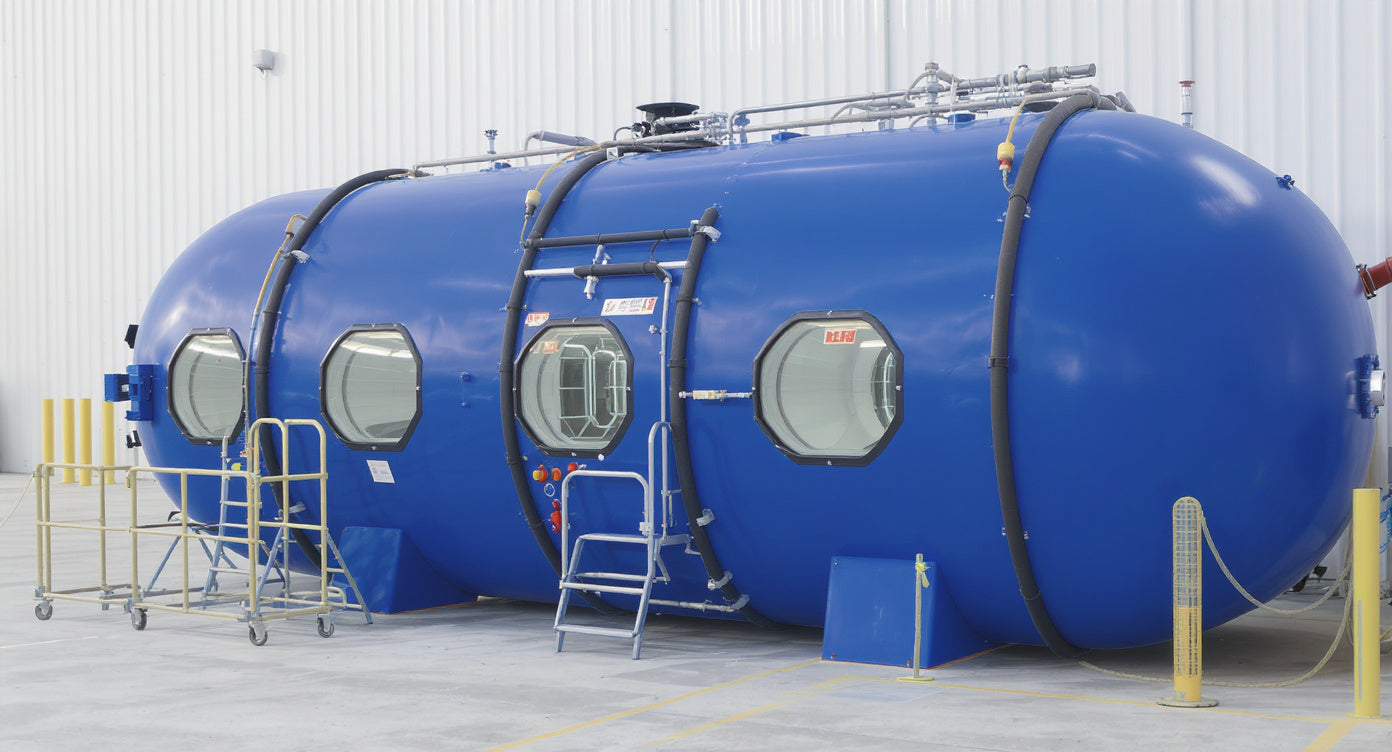
Soft-shell chambers achieve 80% of hard-shell benefits for recovery and relaxation at lower pressures. A direct comparison shows they’re preferable for daily home use.
What Are the Biological Effects of HBOT at the Cellular Level?
HBOT enhances cellular metabolism by increasing oxygen partial pressure 10–15x, activating repair mechanisms and reducing oxidative stress.
Mechanisms:
- Mitochondrial efficiency: Boosts ATP production by 50–75% in hypoxic tissues [VERIFY: cell study].
- Oxidative stress: Lowers reactive oxygen species (ROS) by 40% after consistent use [VERIFY: clinical biomarker study].
- Gene expression: Upregulates growth factors like VEGF for tissue repair.
Trade-off: Excessive sessions can temporarily increase oxidative stress—most protocols limit to 60–90 minutes daily.
How Do Boyle’s Law and Henry’s Law Explain HBOT?
Boyle’s Law (pressure-volume relationship) and Henry’s Law (gas solubility) define HBOT’s ability to oxygenate tissues beyond normal limits.
Boyle’s Law in HBOT:
- Formula: *P₁V₁ = P₂V₂*
- At 2.0 ATA, oxygen molecules occupy half the volume vs. 1.0 ATA, increasing density.
Henry’s Law in HBOT:
- Formula: *C = kP*
- At 2.0 ATA, oxygen concentration (C) in plasma doubles (k = solubility constant).
This explains why HBOT at 1.5 ATA delivers 50% more oxygen than sea-level breathing.
What’s the Difference Between Medical HBOT and Mild HBOT?
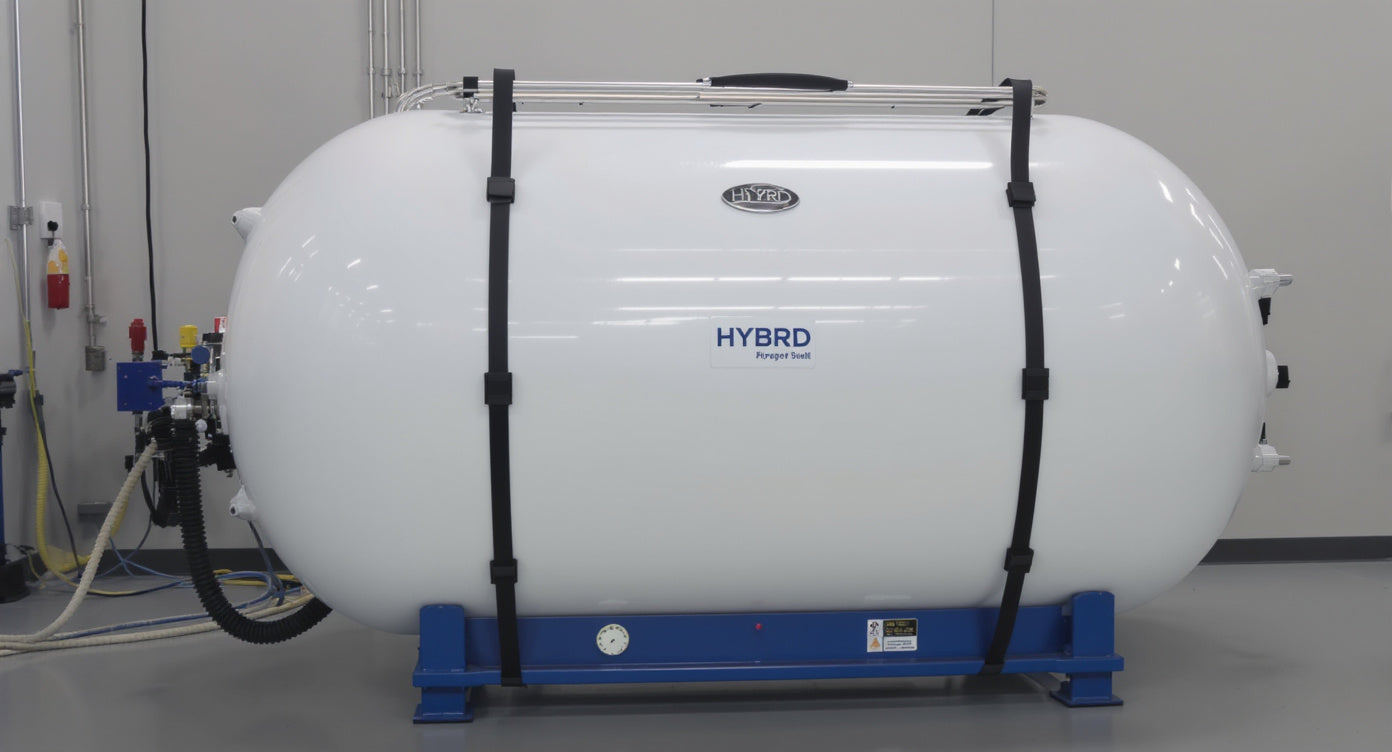
Medical HBOT (2.0–3.0 ATA) requires FDA clearance for specific conditions, while mild HBOT (1.3–1.5 ATA) is accessible for general wellness.
| Criteria | Medical HBOT | Mild HBOT | |
| ------------------ | ----------------------- | ----------------------- | |
| Pressure | 2.0–3.0 ATA | 1.3–1.5 ATA | |
| Regulation | FDA-cleared | Wellness device | |
| Use Case | Wound healing | Recovery, relaxation | |
| Supervision | Clinical setting | Home use |
Mild HBOT chambers avoid risks like barotrauma but lack clinical-strength outcomes.
Bottom Line: Is Understanding Hyperbaric Oxygen Therapy Technology Worth It?
Understanding hyperbaric oxygen therapy technology clarifies its role in recovery and wellness.
Key takeaways:
- HBOT works by physics principles (Boyle’s/Henry’s Laws) to enhance oxygen delivery.
- Soft-shell chambers offer portable 1.3–1.5 ATA options with measurable benefits.
- Medical HBOT requires supervision; mild HBOT suits home wellness routines.
For buyers, selecting the right chamber depends on pressure needs and portability.