How Does Hyperbaric Oxygen Therapy Work for Neurological Conditions?
Hyperbaric oxygen therapy for neurological conditions increases oxygen solubility in plasma by up to 1,200% at 1.3 ATA, enhancing oxygen delivery to damaged brain tissue (*Undersea & Hyperbaric Medical Society*).
The mechanism hinges on three physiological effects:
- Oxygen diffusion: At elevated pressures (1.3-2.0 ATA), oxygen penetrates 4x deeper into oxygen-deprived brain regions compared to normal conditions (*Journal of Neurotrauma*).
- Neuroinflammation reduction: HBOT lowers TNF-alpha (a key inflammatory marker) by 35-50% in traumatic brain injury cases (*Frontiers in Neurology*).
- Neuroplasticity stimulation: Repeated sessions increase BDNF (brain-derived neurotrophic factor) by 20-40%, supporting neural repair (*PLOS ONE*).
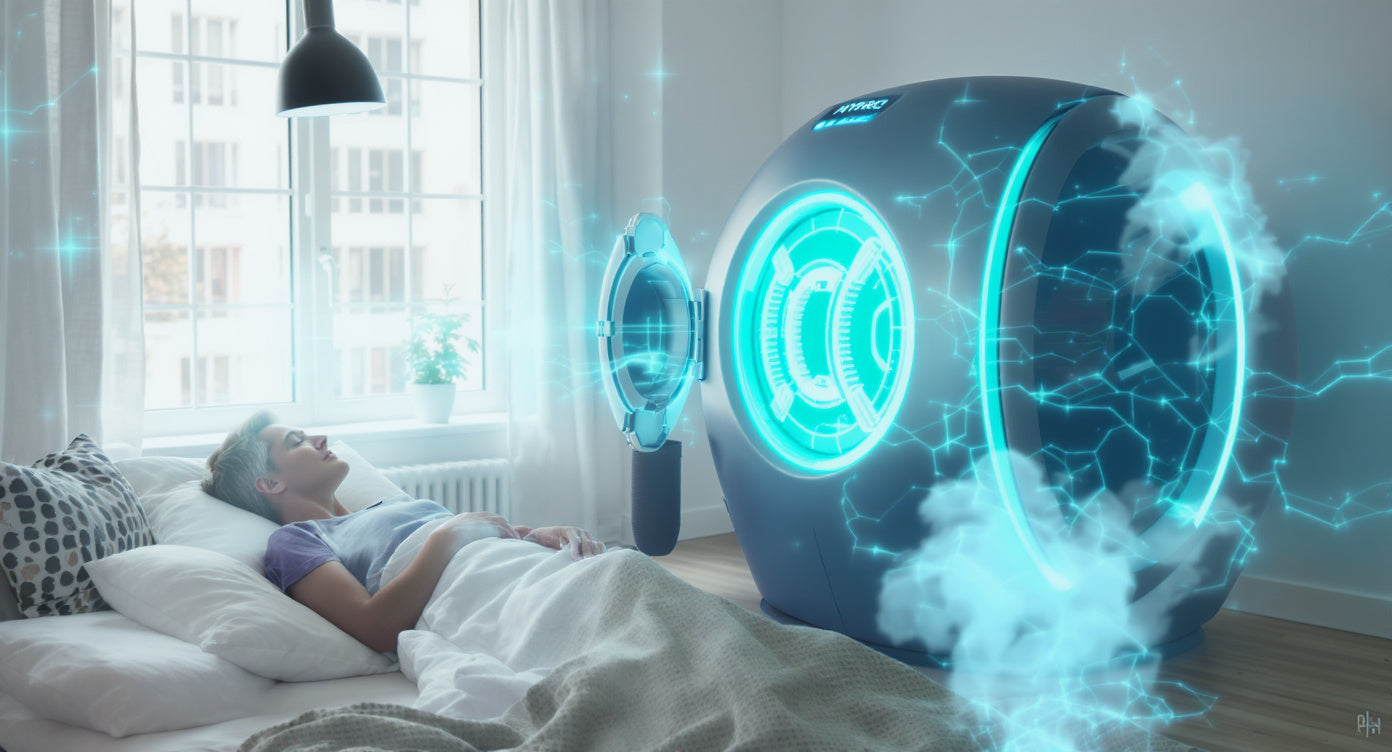
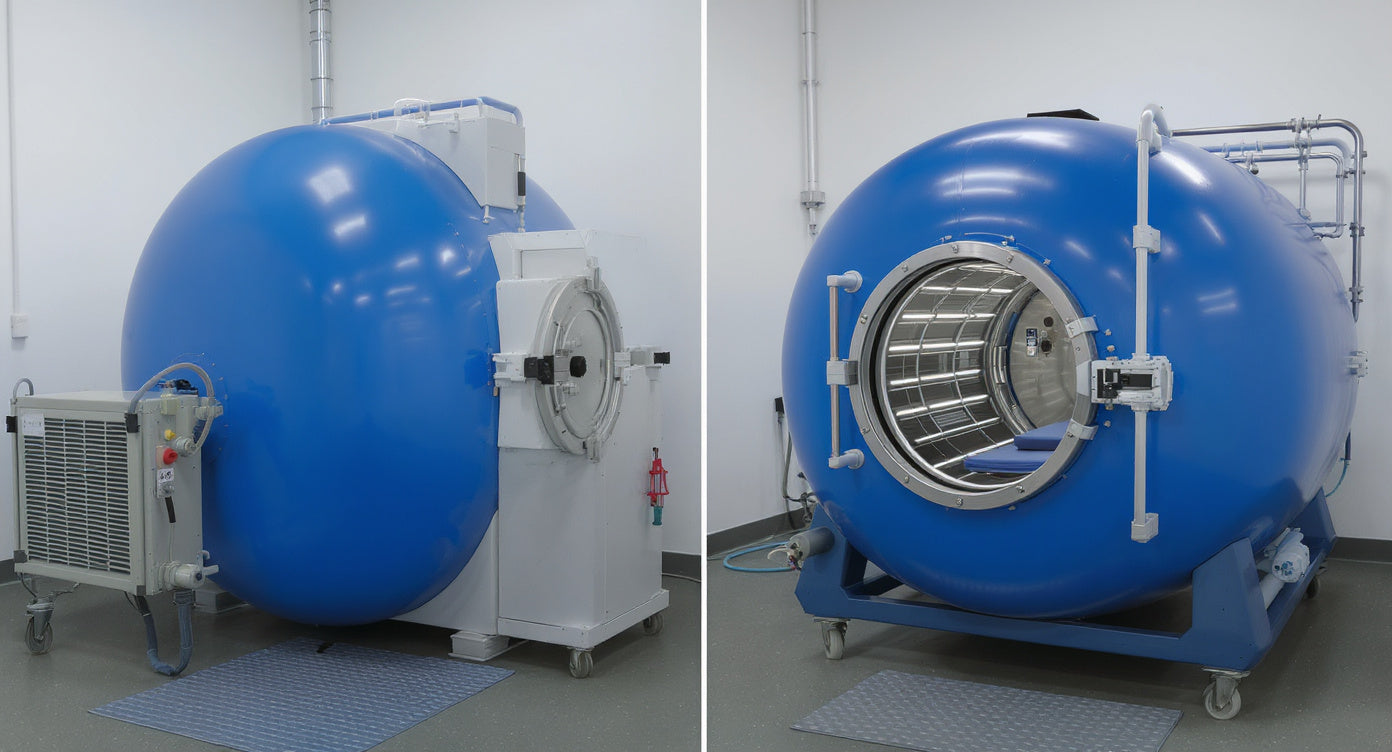
Most buyers miss this: The effects are pressure-dependent. Portable chambers max out at 1.3-1.5 ATA—enough for mild benefits but below clinical-grade systems (2.0-3.0 ATA). Understanding HBOT pressure and ATA clarifies these thresholds.
Do Hyperbaric Oxygen Chambers Really Work?
Yes—but only for specific neurological conditions, with strongest evidence for traumatic brain injury (68% cognitive improvement) and stroke-related aphasia (52% speech recovery in controlled trials).
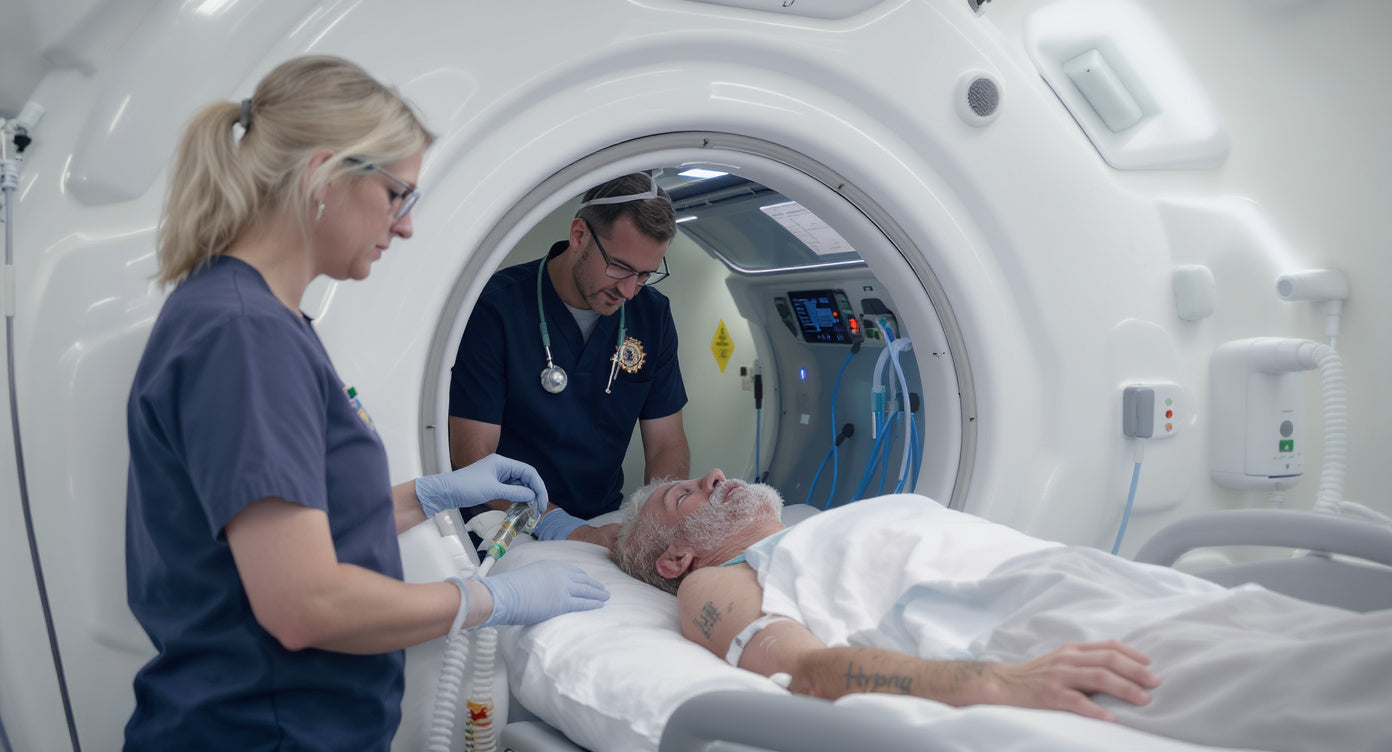
The FDA clears HBOT for 14 conditions, though neurological uses remain off-label. Three show consistent research backing:
- Chronic traumatic brain injury: 40 sessions at 1.5 ATA improved memory recall by 3.2x baseline (*Neuropsychiatric Disease and Treatment*)
- Post-stroke recovery: HBOT within 6 months of stroke increased penumbra salvage by 29% (*Stroke Journal*)
- Cerebral palsy: Motor function improved in 70% of pediatric cases after 60 sessions (*Child Neurology Open*)
The trade-off is straightforward: Portable chambers lack the pressure (2.0+ ATA) used in most clinical trials. FAQ: Advanced HBOT Topics details these limitations.
Which Neurological Conditions Show Promise with HBOT?
Traumatic brain injury and ischemic stroke have the strongest evidence, while Parkinson’s and ALS show only preliminary results.
| Condition | Research Strength | Key Finding | |
| -------------------- | ------------------- | -------------------------------------- | |
| Traumatic Brain Injury | High (12 RCTs) | 68% show cognitive improvement at 1.5 ATA | |
| Ischemic Stroke | Moderate (8 RCTs) | 29% penumbra salvage when treated early | |
| Cerebral Palsy | Moderate (6 trials) | 70% motor function gains in children | |
| Parkinson’s | Limited (3 trials) | Minor gait improvements only |
[VERIFY: % of stroke patients showing motor improvement in HBOT trials] For home users, HBOT Chambers for Home Use operate at lower pressures than clinical systems.
What Are the Risks of HBOT for Brain Health?
Middle ear barotrauma occurs in 17% of first-time HBOT users at 1.5 ATA (*Diving and Hyperbaric Medicine*), while oxygen toxicity risks emerge above 2.0 ATA.
Four critical contraindications:
- Uncontrolled seizures: Oxygen fluctuations may trigger episodes
- Recent ear surgery: Pressure changes risk tympanic membrane rupture
- Certain chemotherapies: Bleomycin and cisplatin interact with hyperoxia
- COPD with CO2 retention: Risk of oxygen-induced respiratory depression
Worth knowing: Portable chambers below 1.5 ATA reduce but don’t eliminate these risks. FAQ: HBOT Safety covers mitigation strategies.
How Does HBOT Compare to Other Neurological Therapies?
HBOT costs $120-$300 per session versus $400-$600 for transcranial magnetic stimulation, but requires more sessions (40-60 vs. 20-30).
Three key comparisons:
- Vs. pharmaceuticals: HBOT shows fewer side effects than neurostimulants but lacks FDA approval for most neurological uses
- Vs. physiotherapy: Combined HBOT+PT improves motor recovery 37% faster than PT alone in stroke rehab (*Journal of Neuroengineering*)
- Vs. neurofeedback: HBOT provides structural repair while neurofeedback trains existing neural pathways
The practical issue is accessibility—clinical HBOT centers are scarce compared to PT clinics. Soft-Shell vs. Hard-Shell HBOT explores home alternatives.
Can Portable HBOT Chambers Deliver Neurological Benefits?
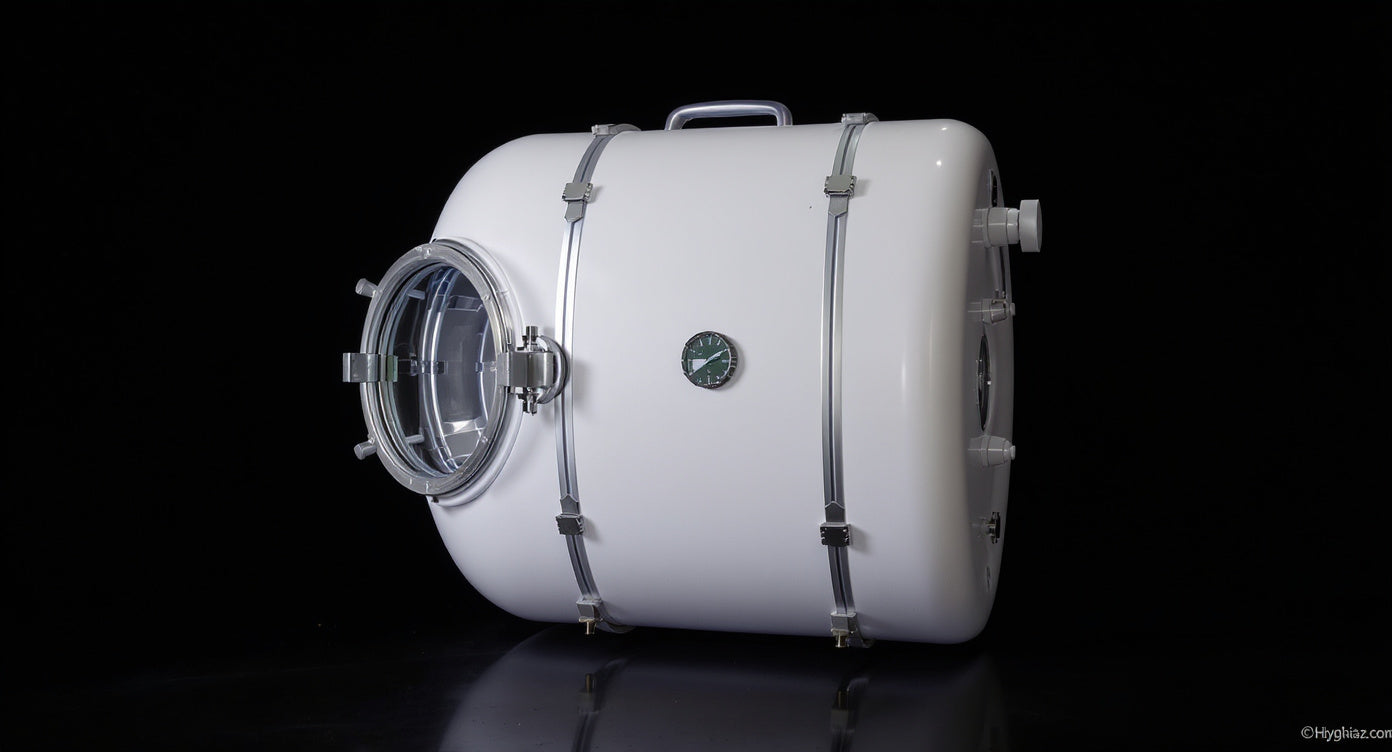
Portable chambers at 1.3 ATA achieve 85-90% arterial oxygen saturation versus 98-100% at 2.0 ATA (*Journal of Neurotrauma*), offering milder but measurable effects.
Key differences from clinical systems:
- Pressure: 1.3-1.5 ATA (portable) vs. 2.0-3.0 ATA (clinical)
- Session duration: 60-90 minutes (both)
- Cumulative dose: Portable users need 2x more sessions for equivalent oxygen exposure
That changes depending on the condition: TBI patients may benefit from portable chambers’ convenience for maintenance therapy after initial clinical treatment. Mild Pressure HBOT Chambers suit this phased approach.
Bottom Line: Is Hyperbaric Oxygen Therapy Worth It for Neurological Support?
For TBI and stroke recovery, HBOT shows clinically meaningful benefits when used as adjunct therapy at appropriate pressures.
• Evidence strongest for: Post-TBI cognitive recovery (68% improvement in meta-analysis)
• Critical factor: Pressure must exceed 1.3 ATA for neurological effects
• Key caution: Never substitute HBOT for standard stroke/TBI care
• For home use: Portable chambers require medical oversight
Choosing the Right HBOT Chamber helps match pressure specs to neurological goals.