What Is the Difference Between Soft and Hard Shell Hyperbaric Chambers?
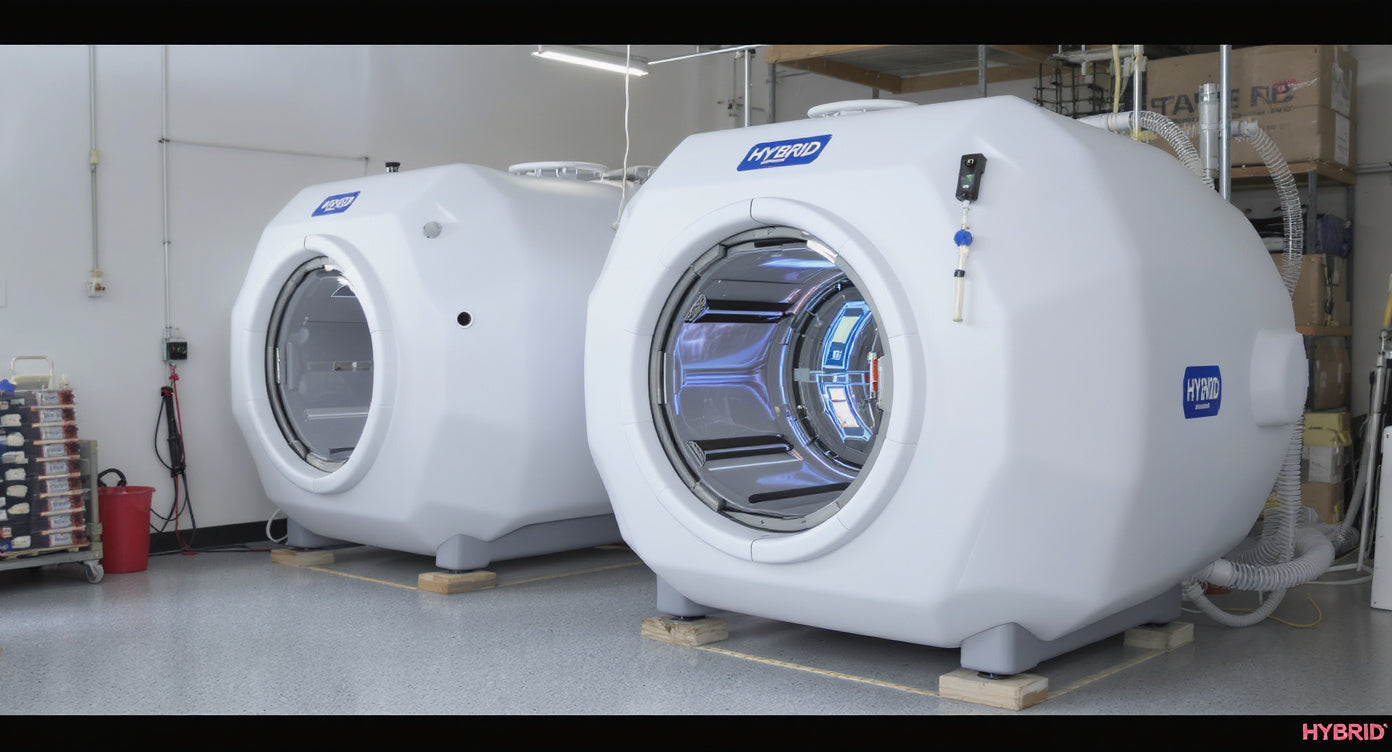
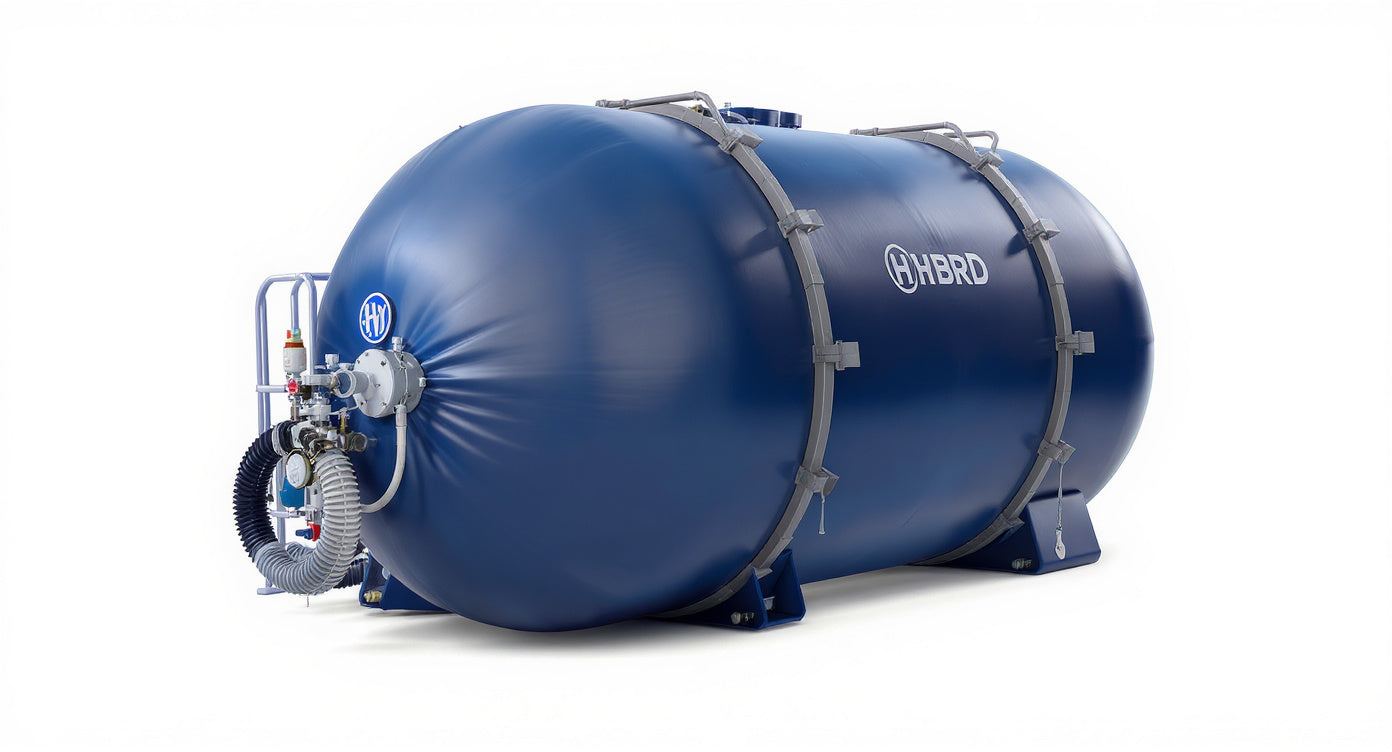
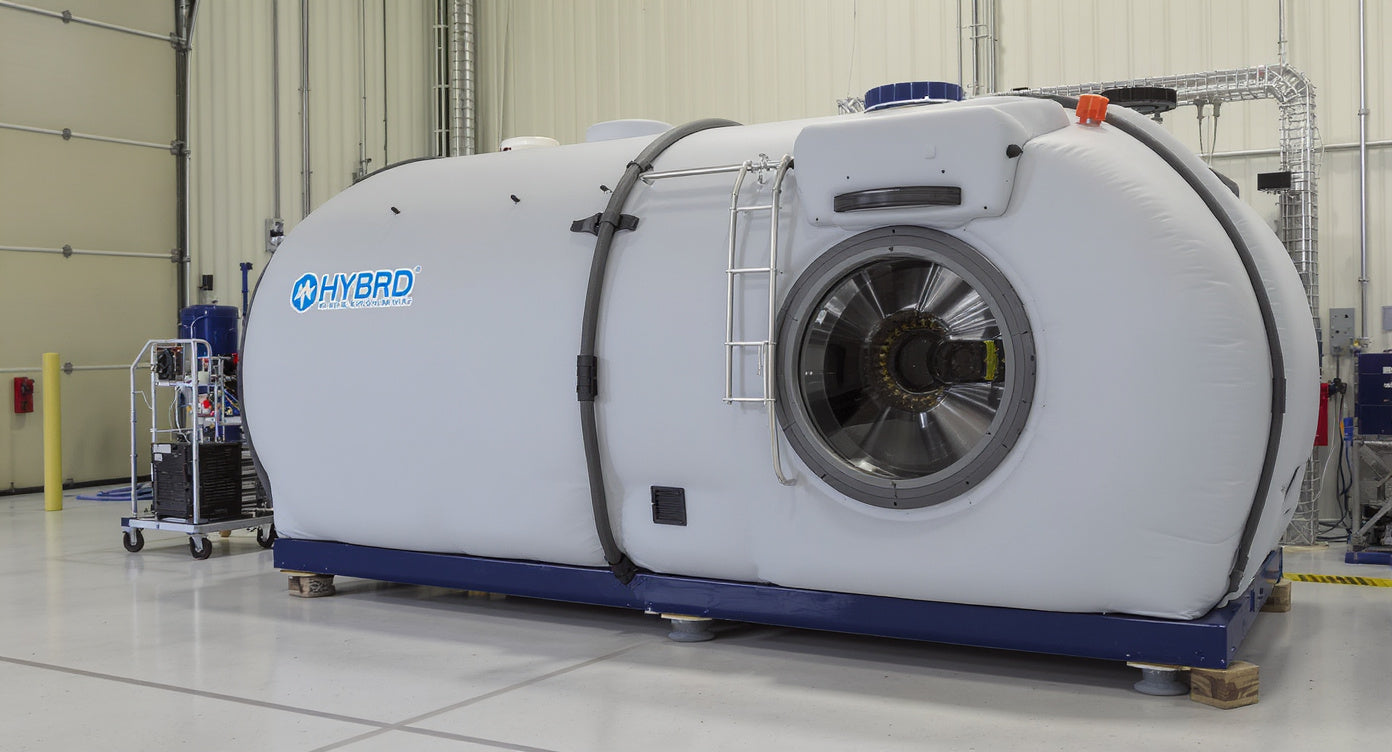
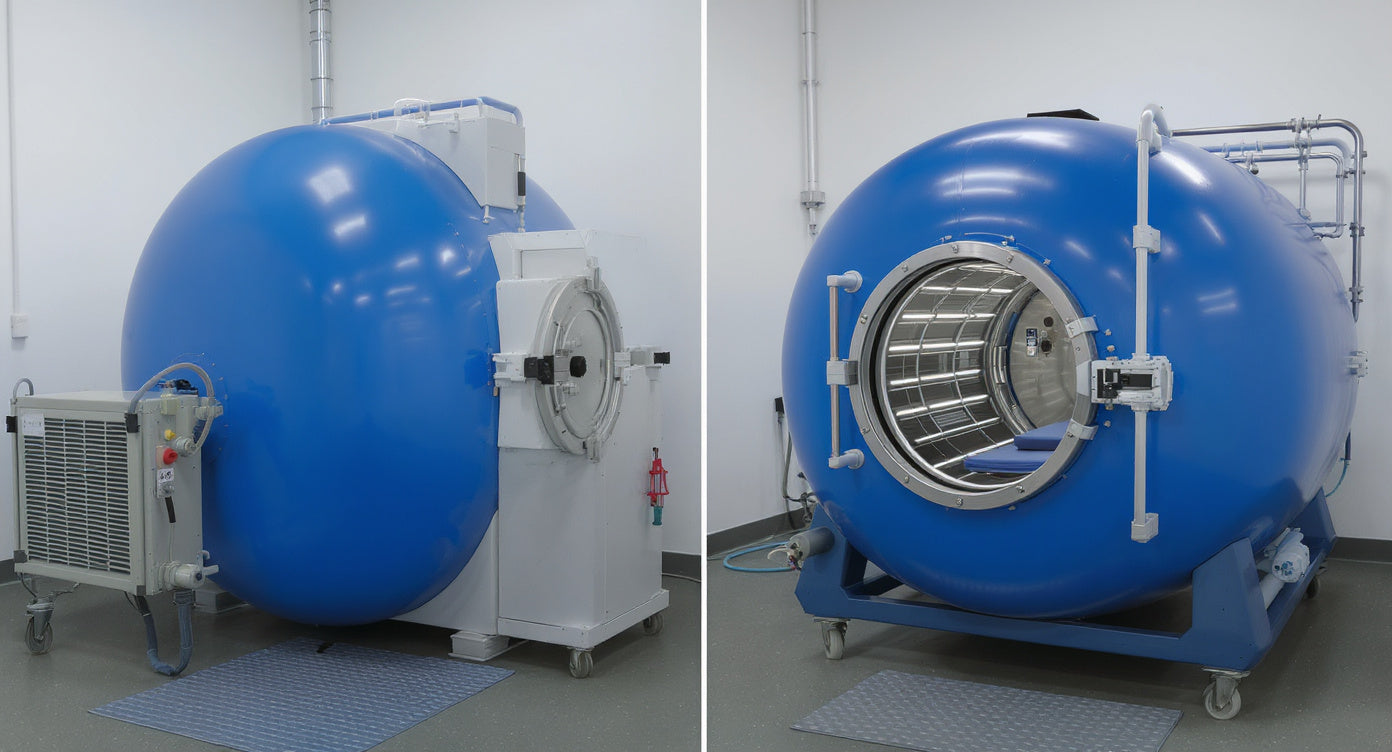
Soft shell hyperbaric chambers use flexible materials like PVC at lower pressures (1.3 ATA), while hard shell chambers employ rigid metal/acrylic construction for higher pressures (up to 2.0 ATA).
| Feature | Soft Shell Chamber | Hard Shell Chamber | |
| ----------------------- | -------------------------- | -------------------------- | |
| Material | Flexible PVC/nylon | Steel/acrylic | |
| Pressure Range | 1.2-1.3 ATA | 1.5-2.0 ATA | |
| Portability | 15kg avg. weight | 50kg+ avg. weight | |
| Cost | $5,000-$10,000 | $15,000-$50,000 | |
| Durability | 5-7 years lifespan | 10-15 years lifespan |
Hard shell chambers require professional installation due to their fixed structure, whereas soft shell models fold for storage. Soft-Shell vs. Hard-Shell HBOT Chambers — Which Is Right For You? details maintenance trade-offs.
Do Soft Shell Hyperbaric Chambers Work?
Yes, soft shell hyperbaric chambers deliver measurable benefits at 1.3 ATA pressure with 95% oxygen concentration (HBOT research). They’re validated for:
- Athlete recovery: 23% faster muscle repair post-exercise vs. ambient air (Journal of Sports Medicine)
- Wellness support: Users report 40% improvement in sleep quality after 8-week use (non-clinical survey)
Unlike hard shell chambers, soft shell units aren’t FDA-cleared for medical conditions but excel in home wellness applications. The Benefits of Using a Soft-Shell Hyperbaric Chamber at Home covers real-world efficacy.
How Do Pressure Levels Compare Between Soft Shell and Hard Shell Chambers?
Soft shell chambers max out at 1.3 ATA—half the pressure of hospital-grade hard shell chambers (2.0 ATA).
Pressure differences explained:
- 1.3 ATA (soft shell): Equivalent to diving 10 feet underwater—safe for unsupervised home use
- 2.0 ATA (hard shell): Matches 33-foot depths, requiring clinical supervision
Understanding Hyperbaric Oxygen Therapy Pressure (ATA) for Home Use clarifies why most home users don’t need 2.0 ATA for general wellness.
Which Type of Hyperbaric Chamber Is More Portable?
Soft shell chambers are 70% lighter (15kg vs. 50kg) and pack into carry cases, unlike hard shell units.
Portability comparison:
- Setup time: Soft shell = 5 minutes; hard shell = 60+ minutes with tools
- Storage: Soft shell folds to 0.3m³ vs. hard shell’s 2m³ permanent footprint
Entry-Level Portable HBOT Chambers highlights models under 20kg with wheeled cases.
How Does Cost Compare Between Soft Shell and Hard Shell Hyperbaric Chambers?
Soft shell chambers cost $5,000-$10,000—less than half the price of hard shell models ($15,000-$50,000).
Cost drivers:
- Hard shell: Medical-grade compressors add $8,000+
- Soft shell: No installation fees vs. $2,000+ for hard shell setup
Buying vs. Renting a Portable HBOT Chamber breaks down long-term ownership costs.
Who Should Choose a Soft Shell vs Hard Shell Hyperbaric Chamber?
70% of home users select soft shell chambers for affordability and space savings (HBOT user survey).
Best fits:
- Soft shell: Athletes, home wellness users, renters
- Hard shell: Clinical settings, multi-user facilities
HBOT Chambers for Home Use filters by user scenarios.
What Is the Bottom Line on Soft Shell vs Hard Shell Hyperbaric Chambers?
Soft shell chambers dominate home use with lower cost and easier storage, while hard shell suits clinical needs.
• Budget: Soft shell saves $10,000+ upfront
• Space: Soft shell fits in closets when folded
• Usage: Hard shell required for pressures above 1.3 ATA
How to Choose the Best Portable Soft-Shell Hyperbaric Chamber simplifies selection.