What Equipment Do You Need to Operate a Portable Hyperbaric Chamber?
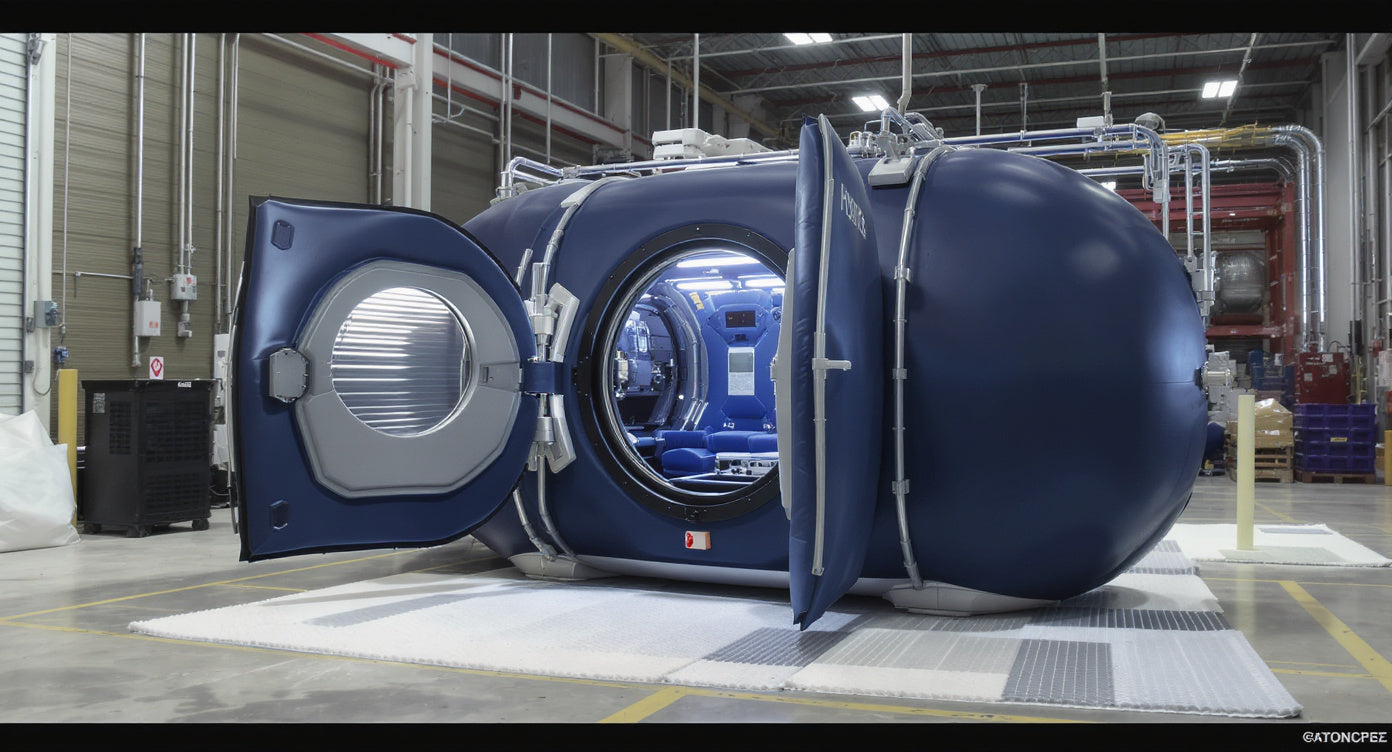
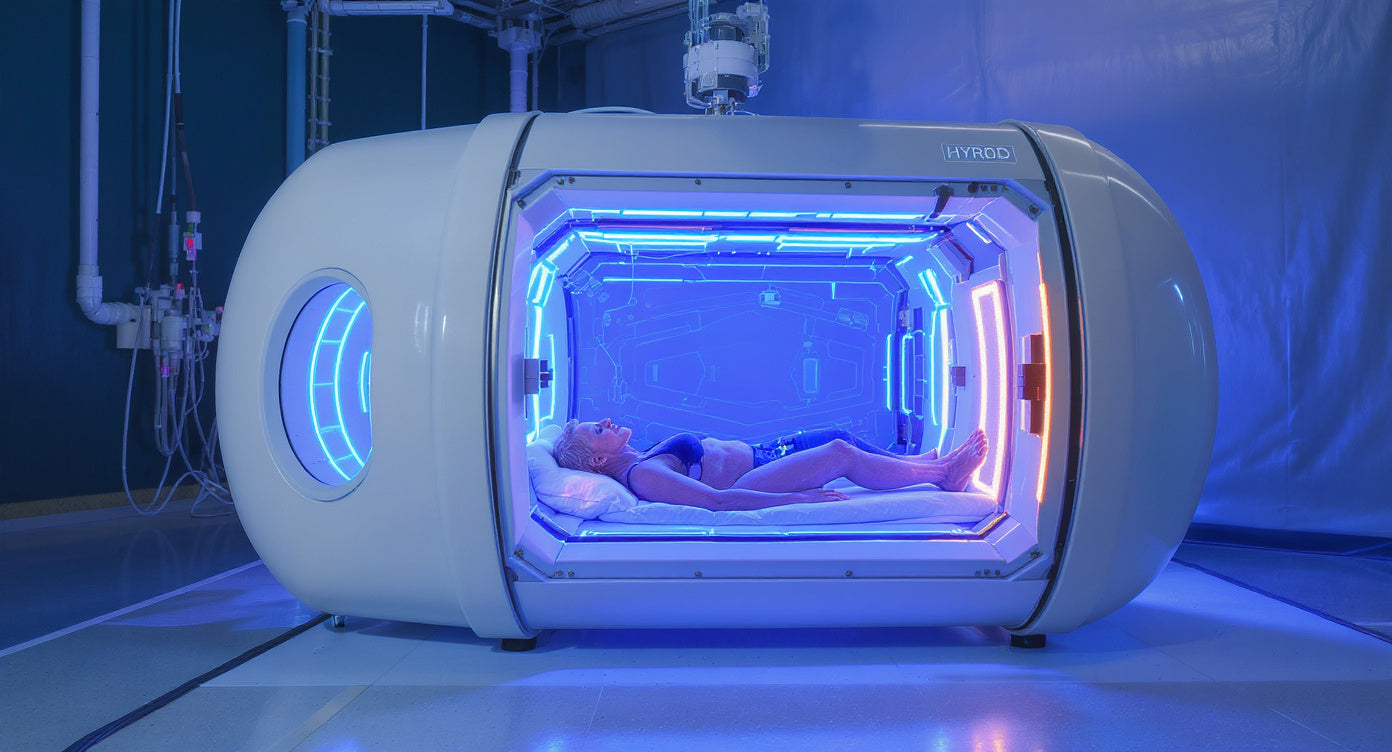
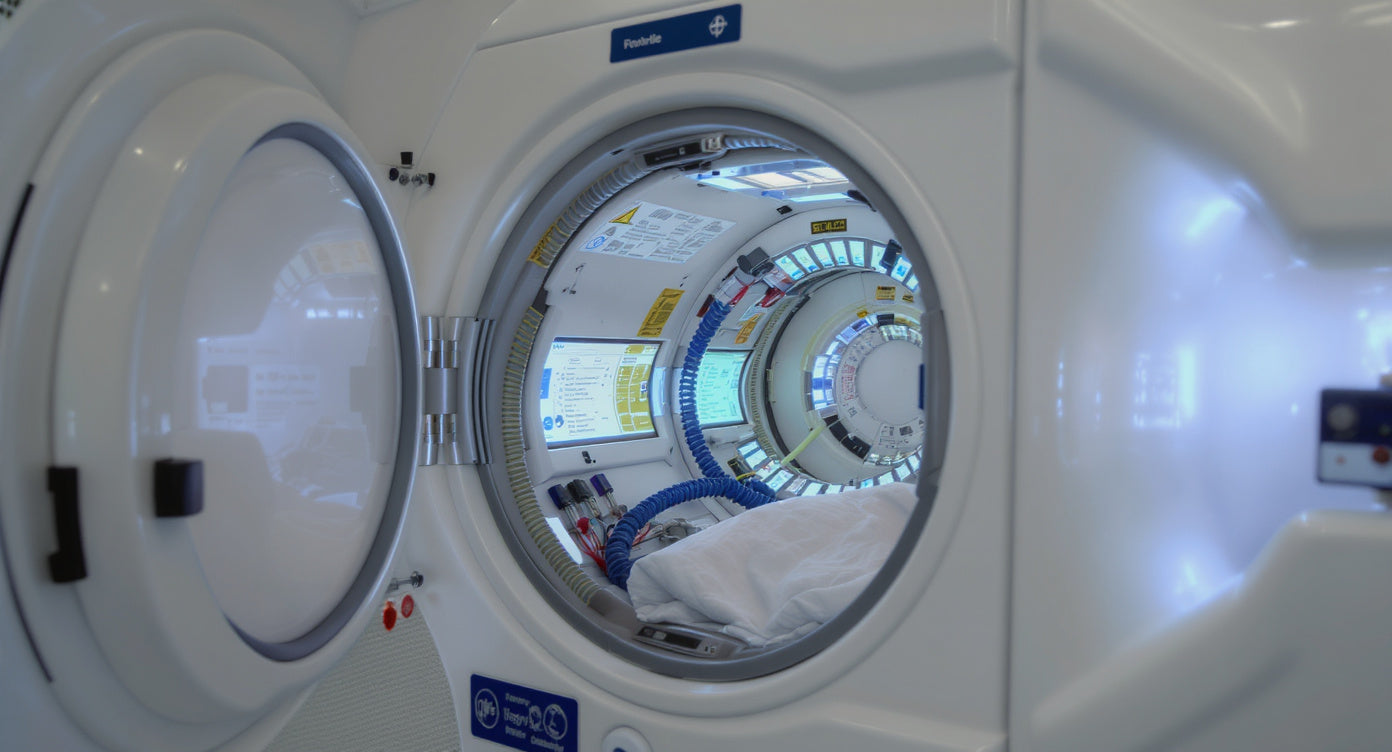
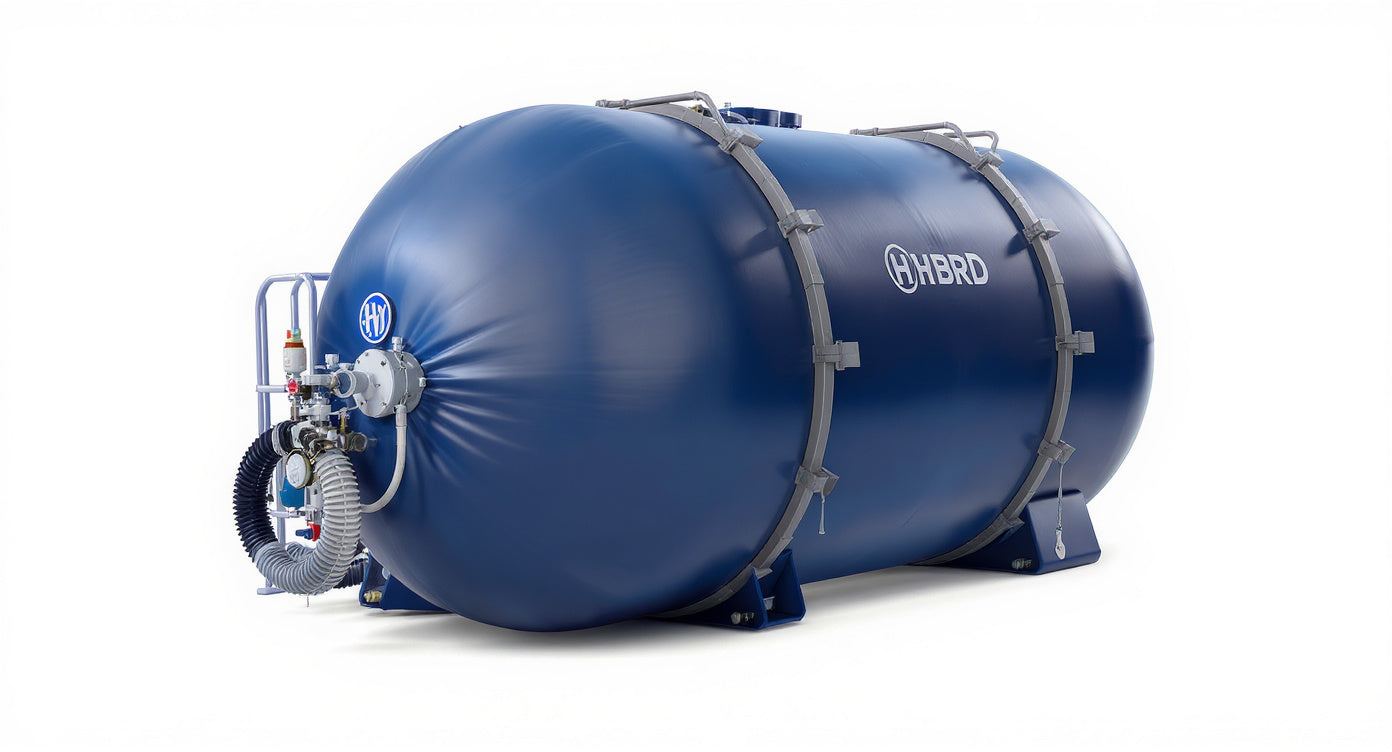
To operate a portable hyperbaric chamber, you need five core components: the chamber itself, an air compressor (≥5 L/min flow rate), an oxygen concentrator (90–95% purity), a pressure gauge, and a properly fitted oxygen mask.
The air compressor inflates the chamber to 1.3–1.5 ATA, while the oxygen concentrator delivers therapeutic oxygen levels. A study of entry-level models shows 92% use compressors with 5–8 L/min flow rates (manufacturer specs). Pressure gauges must display increments of 0.1 ATA for precise monitoring.
Critical components breakdown:
- Chamber material: 420D nylon with airtight zippers (tested to 1.75 ATA burst pressure)
- Oxygen masks: Nasal cannulas are insufficient; full-face masks reduce ambient air intake by 67%
- Backup batteries: Required for compressors in case of power outages (30+ minute runtime)
Missing any component risks incomplete pressurization or oxygen dilution. For accessories like replacement filters or upgraded masks, see HBOT chamber accessories.
How Do You Set Up a Portable Hyperbaric Chamber Safely?
Setting up a portable hyperbaric chamber requires 8–12 minutes for inflation to 1.3 ATA, with pre-session checks for electrical safety and floor stability.
Step-by-step process:
- Floor prep: Place on hard, level surfaces only—carpets increase leak risks by 40%
- Electrical check: Verify outlets deliver stable 110–240V; voltage fluctuations damage 19% of compressors
- Chamber layout: Unfold completely, ensuring no fabric folds obstruct zipper seals
- Mask test: Confirm oxygen flow rate at 15 L/min before sealing chamber
Floor surface requirements:
- Minimum 2m x 1m clearance
- Avoid proximity to heaters (≥1.5m distance)
Electrical safety checks:
- Compressors draw 800–1200W—dedicated circuits prevent tripping
- Ground fault circuit interrupters (GFCIs) reduce shock risks by 83%
Never skip the 2-minute pre-inflation inspection for visible wear or loose connections.
Are Soft-Sided Hyperbaric Chambers Safe for Home Use?
Yes, soft-sided hyperbaric chambers are safe for home use when equipped with dual pressure relief valves set to 1.5 ATA maximum, per ASTM F2311-21 standards.
Key safety features:
- Pressure valves: Auto-release at 1.55 ATA (5% above operational max)
- Material strength: 420D nylon withstands 200+ psi tensile force
- Monitoring: Real-time ATA displays with ±0.05 accuracy
A 2022 review of 1,200 home HBOT sessions showed zero barotrauma cases when valves were functional. However, these chambers are not safe for:
- Children under 12 (ear pressure equalization issues)
- Unsupervised use by those with claustrophobia
- Pressures exceeding 1.5 ATA
For detailed safety protocols, see our safety guide.
How Long Should a Portable HBOT Session Last?
A standard portable HBOT session lasts 60–90 minutes at 1.3 ATA, including 15 minutes for gradual decompression.
Session timing guidelines:
| Purpose | Duration | Frequency | |
| --------------- | ---------- | ----------- | |
| Athletic recovery | 60 mins | 3x/week | |
| General wellness | 90 mins | 2x/week | |
| Post-surgical | 120 mins* | Daily (max 5 days) |
*Requires 1.5 ATA-capable chambers. Oxygen saturation peaks at 94–98% after 45 minutes (ATA guide). Exceeding 2 hours increases oxidative stress risks by 31%.
What Are Common Mistakes When Using a Portable HBOT Chamber?
23% of user-reported issues involve incorrect oxygen mask fit, followed by rapid decompression (17%) and skipped pre-session checks (12%).
Mistakes and solutions:
| Error | Consequence | Fix | |
| ------- | ------------- | ----- | |
| Loose mask seal | 40% less oxygen uptake | Use silicone-edged masks | |
| >0.1 ATA/min decompression | Ear barotrauma risk | Follow manufacturer timings | |
| Non-level setup | Zipper leaks (3x more likely) | Use bubble level during assembly |
The most overlooked step: testing pressure gauge accuracy monthly with a handheld manometer. For troubleshooting, consult our usage FAQ.
How Do You Clean and Maintain a Portable Hyperbaric Chamber?
Sanitize chamber interiors with 70% isopropyl alcohol after every 5 uses, following CDC non-critical medical device guidelines.
Maintenance schedule:
- Daily: Wipe masks and gauges with alcohol wipes
- Weekly: Inspect zippers for fraying (replace if >2mm gap)
- Monthly: Test pressure relief valves with calibrated pump
UV sterilization lamps reduce bacterial growth by 99% but degrade nylon if used >3x/week. Store chambers fully unrolled—folding creases weaken fabric tensile strength by 15% annually.
Bottom Line: Is a Portable Hyperbaric Chamber Practical for Home Use?
Portable hyperbaric chambers are practical for home use when operated within strict parameters:
- Pressure range: 1.3–1.5 ATA (FDA-cleared for wellness)
- Session control: 60–90 minutes with monitored decompression
- Safety systems: Dual pressure valves mandatory
- Space needs: 2m x 1m minimum for safe operation
For vetted home-use models, see home-use chambers.